

Horizon Leadership Academy


At Horizon Leadership Academy, education extends beyond the classroom. Our faculty members support students in many meaningful ways—not only as teachers, but also as mentors, advocates, and trusted advisors.
The Horizon Advisory System connects each student with a faculty advisor and a small group of peers. Advisory provides students with a consistent space where they feel known, supported, and encouraged throughout the school week. By building strong relationships with students, advisors can better understand their strengths, interests, challenges, and goals.
Advisors also serve as an important bridge between students, teachers, counselors, and families. Through regular communication and ongoing support, they help guide students toward academic success, personal growth, college readiness, and a healthy transition into adulthood.
Advisory groups are organized by grade level, with each grade divided into two or more small groups. Each group is assigned a dedicated faculty advisor.
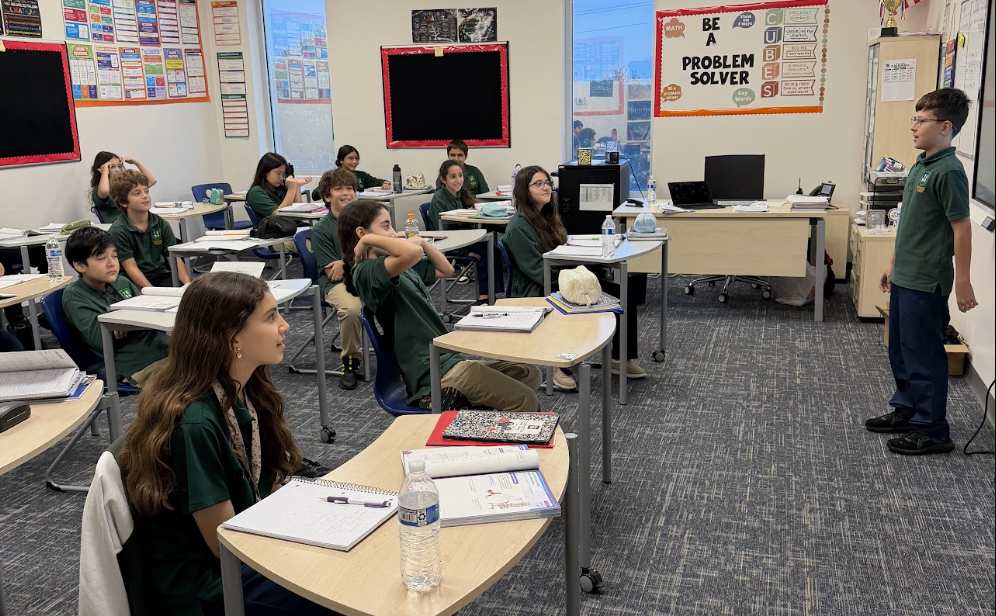
Advisors meet with their students weekly as a group and periodically in one-on-one settings. These meetings give students an opportunity to set goals, reflect on their progress, discuss concerns, and explore their academic and personal interests.
During advisory meetings, advisors may:
Because advisors interact with students consistently, they can notice changes, celebrate progress, and provide support before small concerns become larger challenges. Advisors work closely with the school counseling team to ensure that each student receives appropriate guidance and care.

Students thrive when they know that caring adults at school understand and support them. The Advisory System gives every student an additional trusted adult they can turn to for encouragement, guidance, and accountability.
These relationships help students develop a stronger sense of belonging within the school community. Advisory also creates more opportunities for students to build confidence, strengthen communication skills, form positive peer relationships, and feel comfortable asking for help.
By connecting with students throughout the week, advisors provide consistent positive support that strengthens the partnership between the student, school, and family.

Advisors organize activities both inside and outside of school. Some activities involve the entire grade, while others take place within smaller advisory groups.
Activities may focus on team building, character development, academic success, leadership, community service, college and career preparation, or social connection. These shared experiences allow students and advisors to build stronger relationships in a positive and welcoming environment.
Strong communication with families is an essential part of the Advisory System. Advisors meet with parents or guardians at least twice each year—once near the beginning of the school year and again toward the end of the year.
When additional support or follow-up is needed, advisors may also communicate with families by phone, email, or in-person meetings. This ongoing partnership helps ensure that students receive consistent encouragement and guidance both at school and at home.
I’d recommend revising the Advisory section to clearly focus on mentorship, relationship-building, character development, and life guidance, rather than academic monitoring. This will better reflect what Advisory actually means at Horizon while keeping its role distinct from Counseling.
At Horizon Leadership Academy, we believe that education extends beyond the classroom. Students need not only knowledge and academic skills, but also caring adults who know them, guide them, and help them grow into responsible and confident young people.
The Horizon Advisory System is built around this belief. Every student is placed in a small advisory group with a faculty advisor who serves as a mentor, guide, and trusted adult.
The purpose of Advisory is to build meaningful relationships between students and teachers. Through regular conversations, shared experiences, and individual attention, advisors get to know their students as individuals—their interests, strengths, personalities, values, aspirations, and the experiences that shape them.
This relationship gives students a place to talk, reflect, ask questions, seek advice, and think about the choices they make. Advisors encourage students to develop good character, take responsibility for their actions, build healthy relationships, and make thoughtful decisions as they grow.
Advisory groups are organized by grade level, with each grade divided into two or more small groups. Each group is assigned a dedicated faculty advisor.
An advisor's primary role is to know students, build trust with them, and guide them as they grow.
Advisors meet regularly with their advisory groups and also spend individual time with students. These conversations allow advisors to understand students beyond their classroom performance and to develop a genuine relationship with each student.
Through Advisory, students are encouraged to:
Advisors also help students navigate the everyday challenges of school and growing up. When a student needs additional support, the advisor works with the appropriate members of the school community, including counselors, teachers, administrators, and families.
Advisors and counselors have different roles, but they work together to support students. The advisor provides the ongoing relationship and mentorship that helps students feel known and guided, while counselors provide specialized counseling support when needed.
Growing up requires more than academic instruction. Young people need adults who listen to them, encourage them, challenge them, and help them think through the decisions they face.
Advisory gives every student a consistent relationship with a faculty member who knows them personally and is invested in their development. Over time, this relationship creates trust and gives students someone they can turn to for advice, encouragement, and perspective.
Advisory also creates a sense of belonging. Students become part of a small community within the larger school where they can build friendships, share experiences, express themselves, and learn from one another.
Most importantly, Advisory gives students opportunities to think about who they are, what they value, how their choices affect others, and what kind of person they want to become.
Our goal is not simply to prepare students for academic success or college. We want to help prepare them for life—to become responsible, ethical, confident, compassionate, and contributing members of their communities.
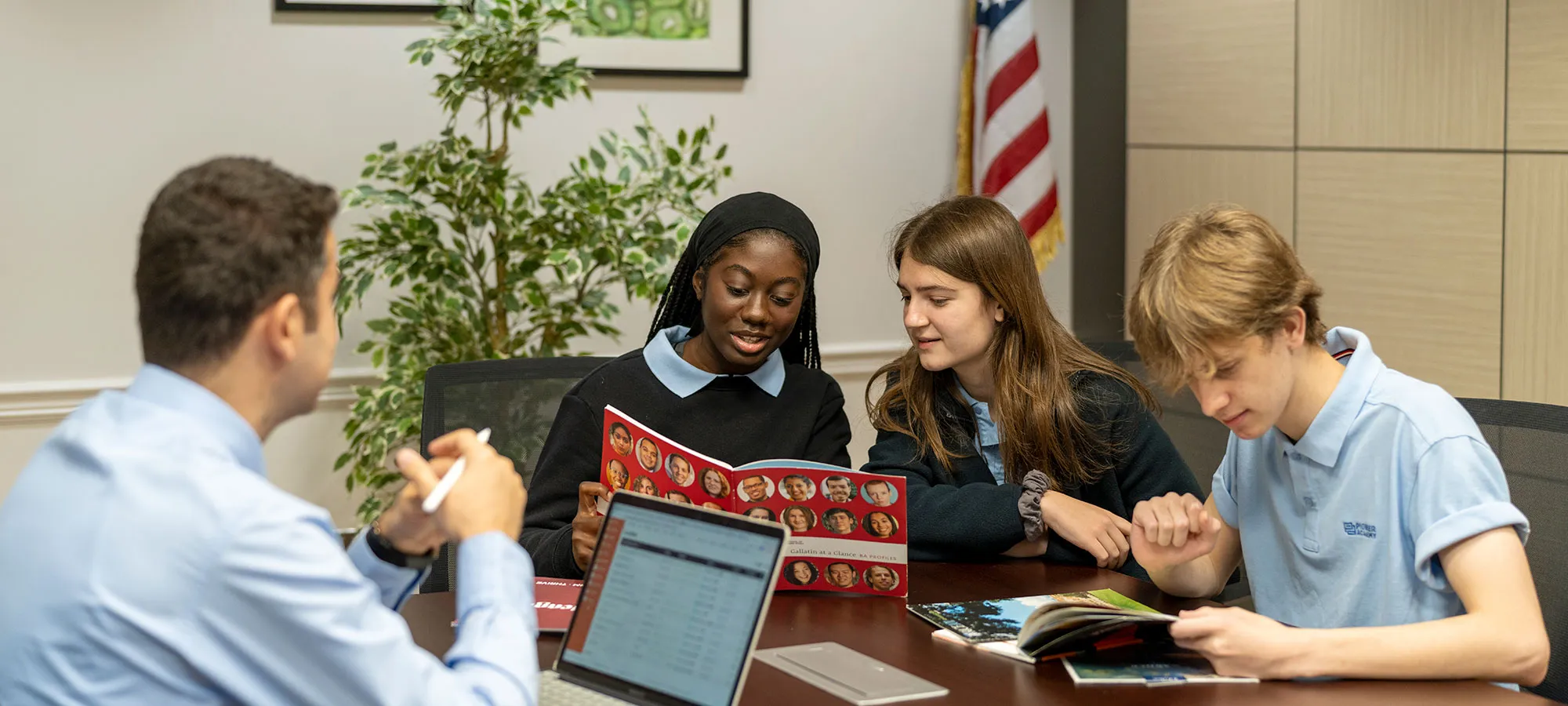
Advisors organize activities both inside and outside of school that strengthen relationships and provide opportunities for students to learn and grow together.
Activities may include:
Some activities are organized for an entire grade, while others take place within individual advisory groups.
These experiences allow advisors and students to connect beyond the traditional classroom and strengthen the relationships that are at the heart of Advisory.
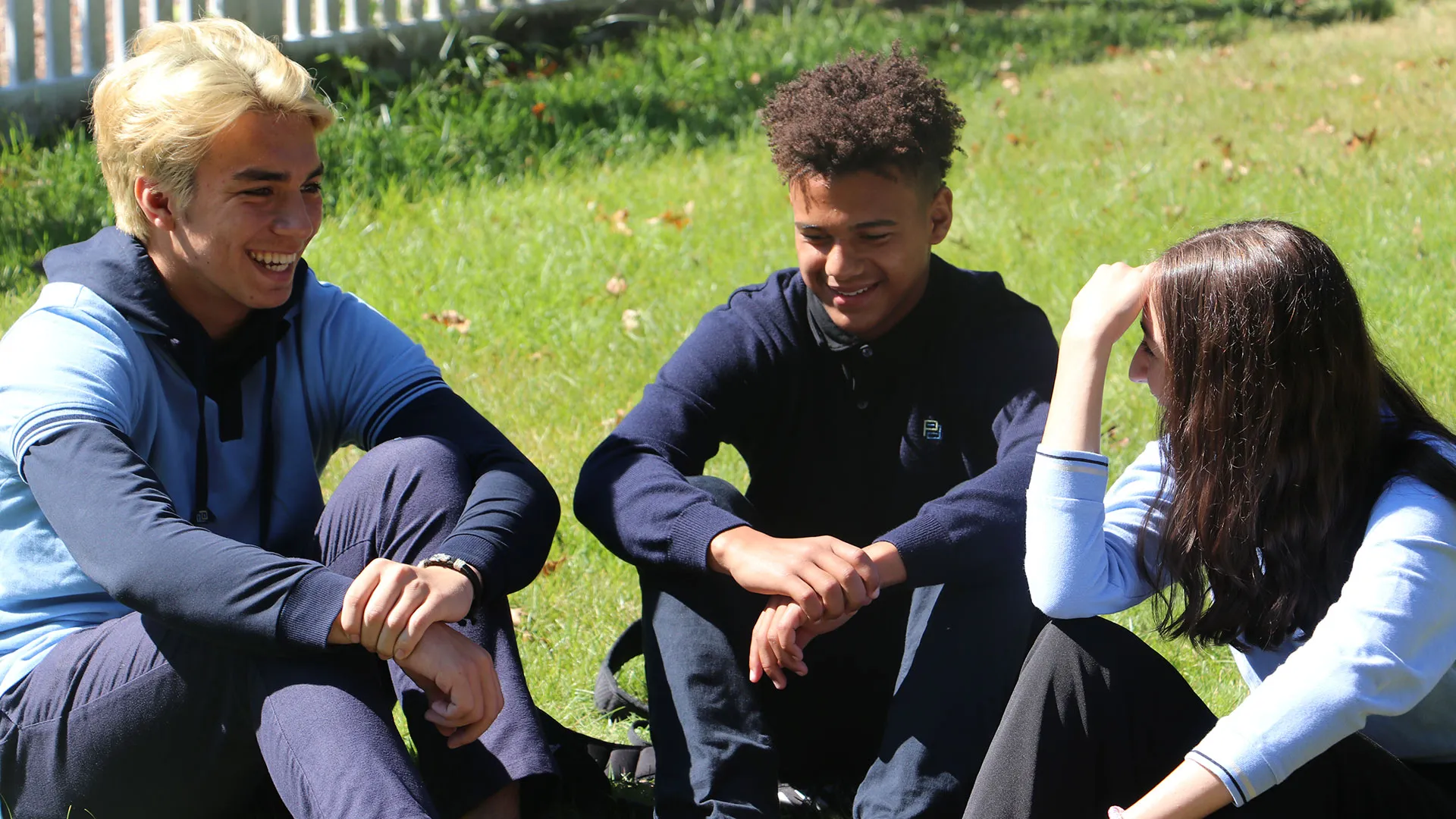
Families are important partners in a student's growth and development.
As part of the Advisory System, advisors visit each student's family once each year. These family visits provide an opportunity for advisors to build a stronger relationship with parents or guardians, learn more about the student beyond the school setting, and better understand the student's interests, experiences, and family background.
Throughout the year, advisors also maintain communication with parents and guardians as appropriate. When needed, communication may take place by phone, email, or in-person meetings.
This ongoing relationship helps strengthen the connection between the student, family, and school. It also allows advisors and families to work together in encouraging students' growth and development.

At its heart, the Horizon Advisory System is about relationships.
Every student should have a caring adult at school who knows them, listens to them, encourages them, and helps them navigate the journey from childhood toward adulthood.
Through Advisory, students are guided not only in what they do, but also in who they are becoming.
Our advisors walk alongside students as mentors and role models, helping them develop the character, confidence, judgment, and sense of responsibility they need to succeed at Horizon and beyond.


